


Product Center
Anhong Energy Equipment (Yangzhou) Co.,ltd
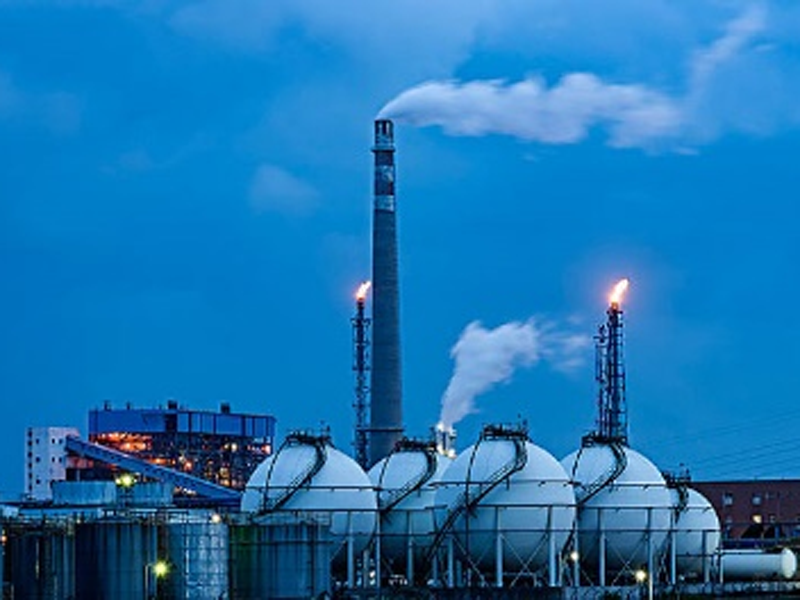

Details
Process Description
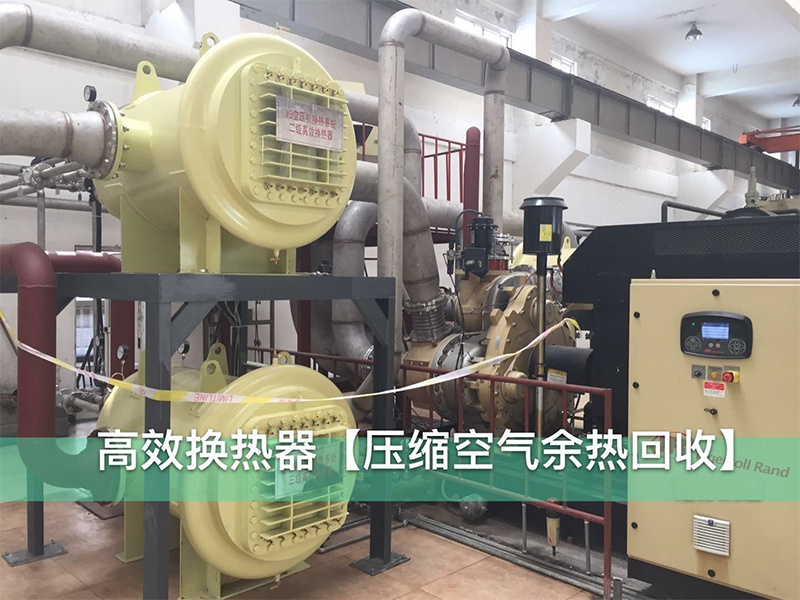
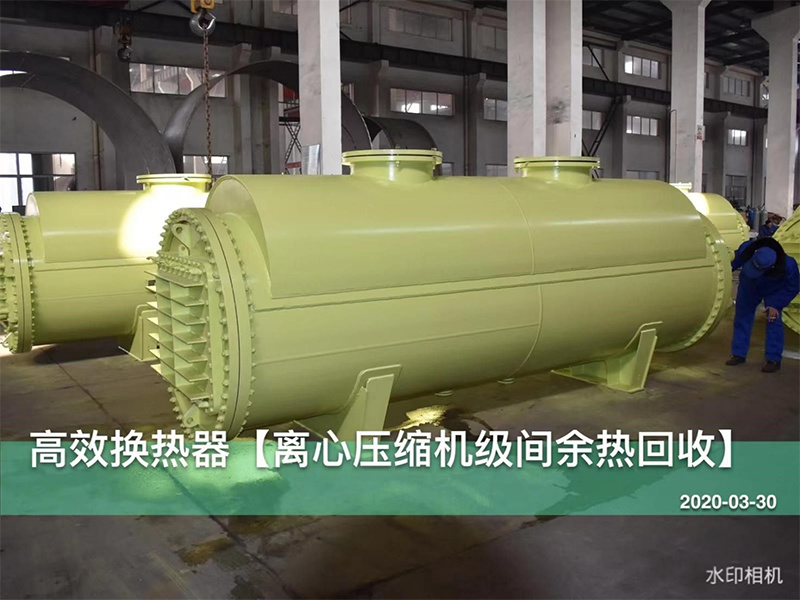
Recovering heat that was originally discharged into the atmosphere from the process cooling water
Using heat pumps to recover heat and produce hot water for centralized heating
Customer Value
Reduce heating energy costs by 40% compared to gas heating.
Reduce CO2 emissions and save water resources

• This project uses 6 steam turbine-driven (3.4MPa steam) YORK OM heat pumps, with a total heating capacity of 159MW, capable of recovering 120MW of waste heat from the chemical plant's cooling water system.
• In a single heating season (4 months of operation), the heat pump system recovers 1.24 million GJ of waste heat, equivalent to saving about 42,500 tons of standard coal, reducing CO2 emissions by 110,000 tons.
• At the same time, due to the savings from the evaporation loss of the upper tower process cooling water, water savings of 372,000 tons are achieved.
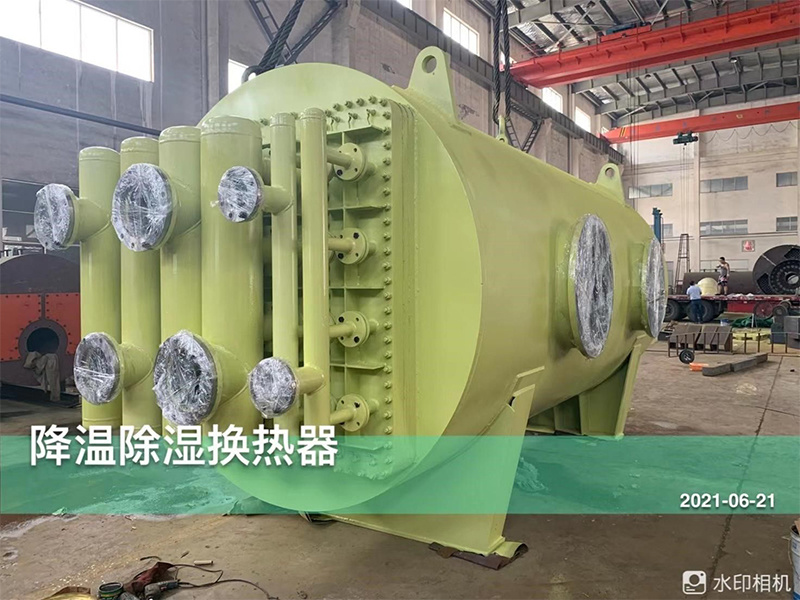
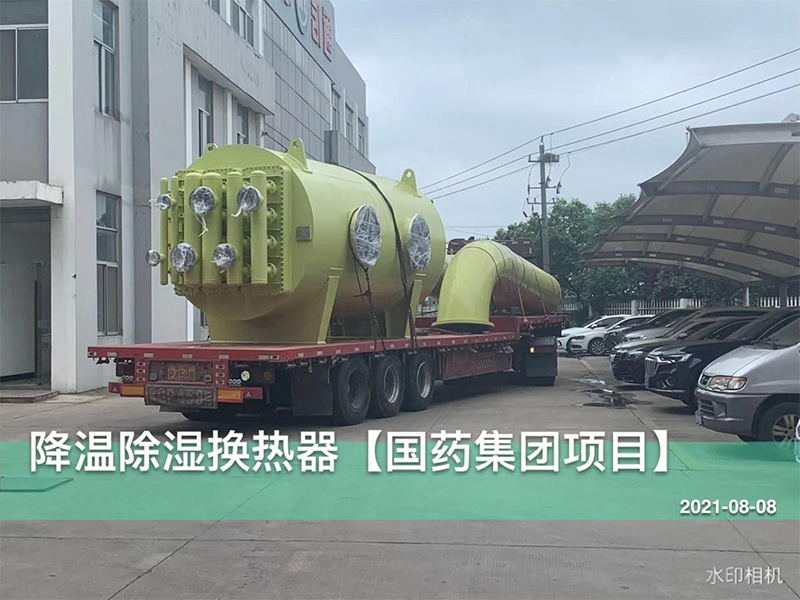
Refers to the technical system used to lower indoor temperatures and control humidity. It plays a very important role in modern society, especially during the hot summer months. The design and operating principles of cooling systems can be adjusted and optimized according to different needs and locations. The core of the cooling system is the refrigeration cycle, which includes key components such as the compressor, evaporator, condenser, and expansion valve. First, the compressor draws in low-temperature, low-pressure refrigerant and compresses it, raising its temperature and pressure. Next, the refrigerant enters the condenser, where it releases heat by coming into contact with outside air, turning into high-temperature, high-pressure gas. Then, the refrigerant passes through the expansion valve into the evaporator, where the refrigerant's temperature and pressure drop sharply due to the expansion valve's action, absorbing indoor heat and turning into low-temperature, low-pressure gas. Finally, the refrigerant re-enters the compressor, and the cycle continues. The advantages of cooling systems are not only reflected in lowering indoor temperatures but also in effectively controlling indoor humidity. Through the action of the evaporator, the cooling system can condense and discharge moisture from humid air, thereby reducing indoor humidity while providing a more comfortable environment. However, cooling systems also face some challenges and issues. First is the energy consumption problem; cooling systems require a large amount of electricity to operate, which can lead to high energy costs and environmental burdens. Secondly, the maintenance and upkeep of cooling systems also require certain investments and expertise to ensure the system operates normally and extends its lifespan. In summary, cooling systems are crucial in modern life. Through continuous technological innovation and optimization, we can further improve the energy efficiency and environmental performance of cooling systems, providing people with a more comfortable and healthy indoor environment.
Related Items







immediate consultation
We will contact you within one working day. Please pay attention to your email.

One of the large-scale comprehensive pressure vessel manufacturing bases
Customer Service Hotline
E-mail:wanglisheng@ahnyzb.cn
Telephone:0514-82079511
Fax: 0514-82079522
Company address: No.9, Nanhuan East Road, Dinghu Town, Jiangdu District, Yangzhou City, Jiangsu Province
Mobile Access
This website already supports IPV4 / IPV6 bidirectional access